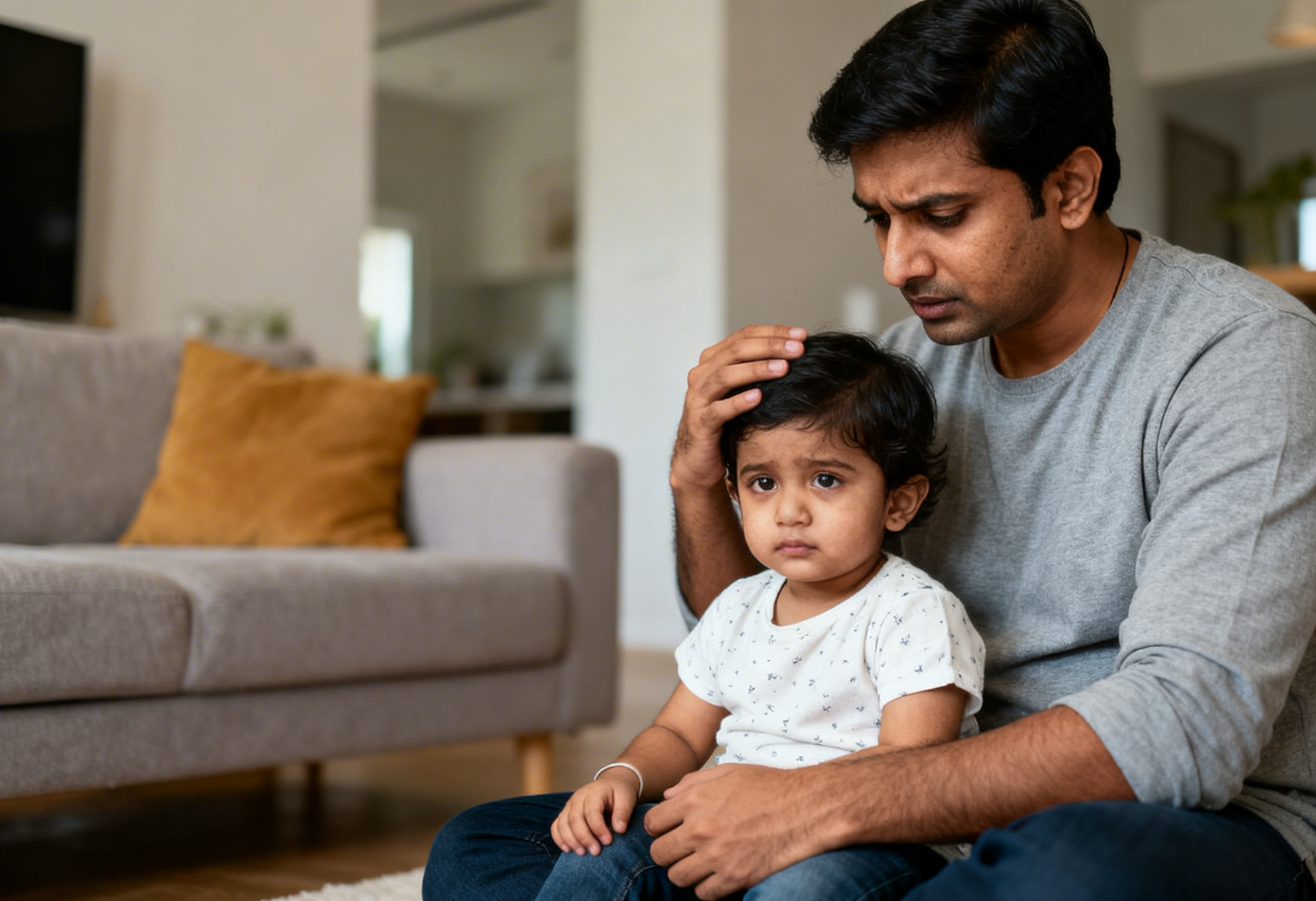
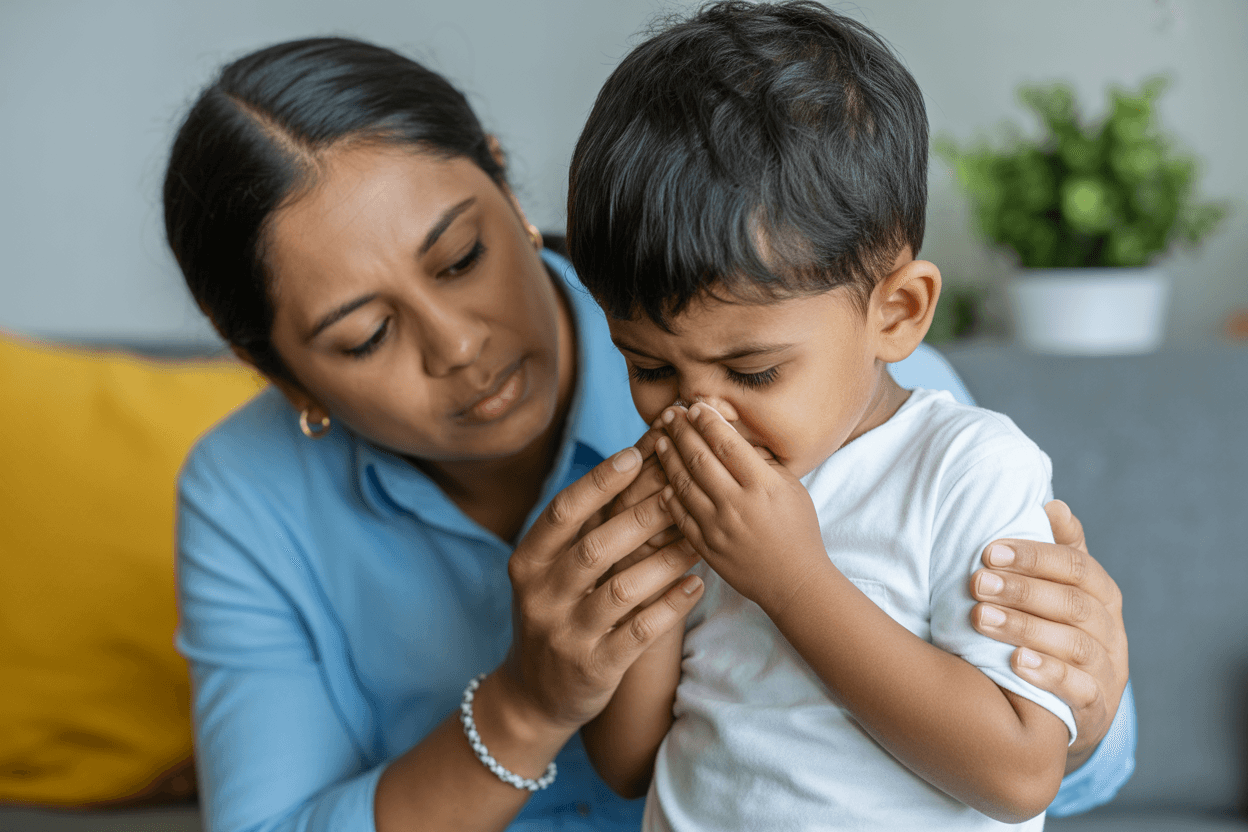
Child Psychology in Bengaluru: Understanding Pediatric Mental Health and When to Seek Help
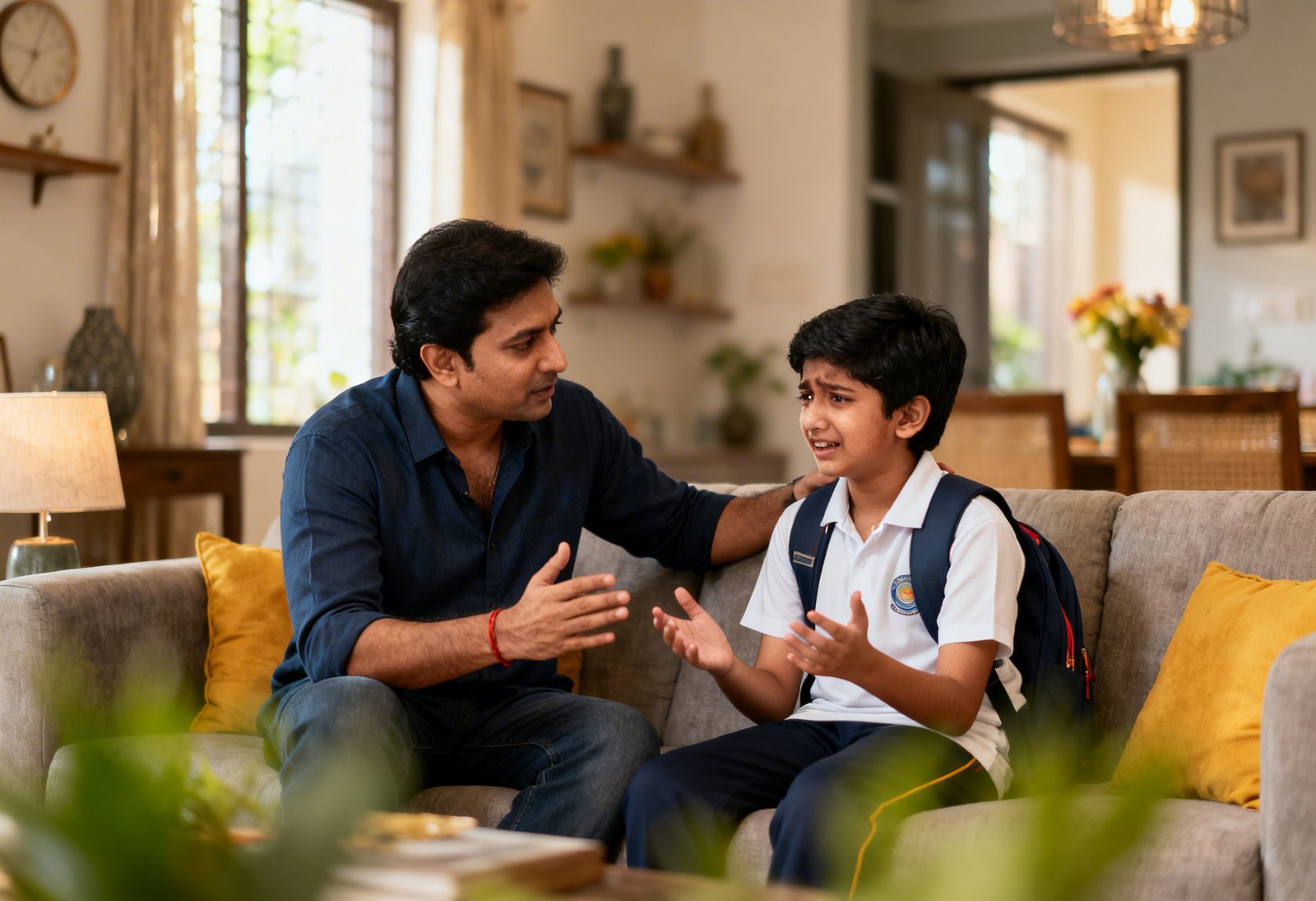
Child psychology plays a crucial role in shaping a child’s emotional resilience, academic performance, and long-term well-being. In today’s fast-paced digital world, children in Bengaluru and across India face increasing academic pressure, screen exposure, and social challenges that directly affect their mental health.
Understanding pediatric mental health is no longer optional – it is foundational. Early identification and timely intervention can significantly improve developmental outcomes. At Little People Big Needs, Dr. Smrithi Bhagiratha integrates pediatric medicine, developmental science, and genetics to offer comprehensive child psychology consultation within a structured medical framework.
What Is Child Psychology?
Child psychology is a specialized branch of developmental science focused on understanding a child’s emotional, behavioral, cognitive, and social growth from infancy through adolescence.
It examines:
- Brain development
- Emotional regulation
- Behavioral patterns
- Social interaction skills
- Learning capacity
- Stress responses
Unlike general parenting advice, child psychology uses standardized clinical tools and developmental benchmarks to differentiate between normal developmental variations and diagnosable mental health conditions.
Why Pediatric Mental Health Matters in India
Recent Indian epidemiological data shows:
- Up to 12-15% of children have diagnosable psychiatric conditions
- Anxiety prevalence in adolescents ranges from 13% to 35%
- Depression rates in urban adolescents can exceed 20%
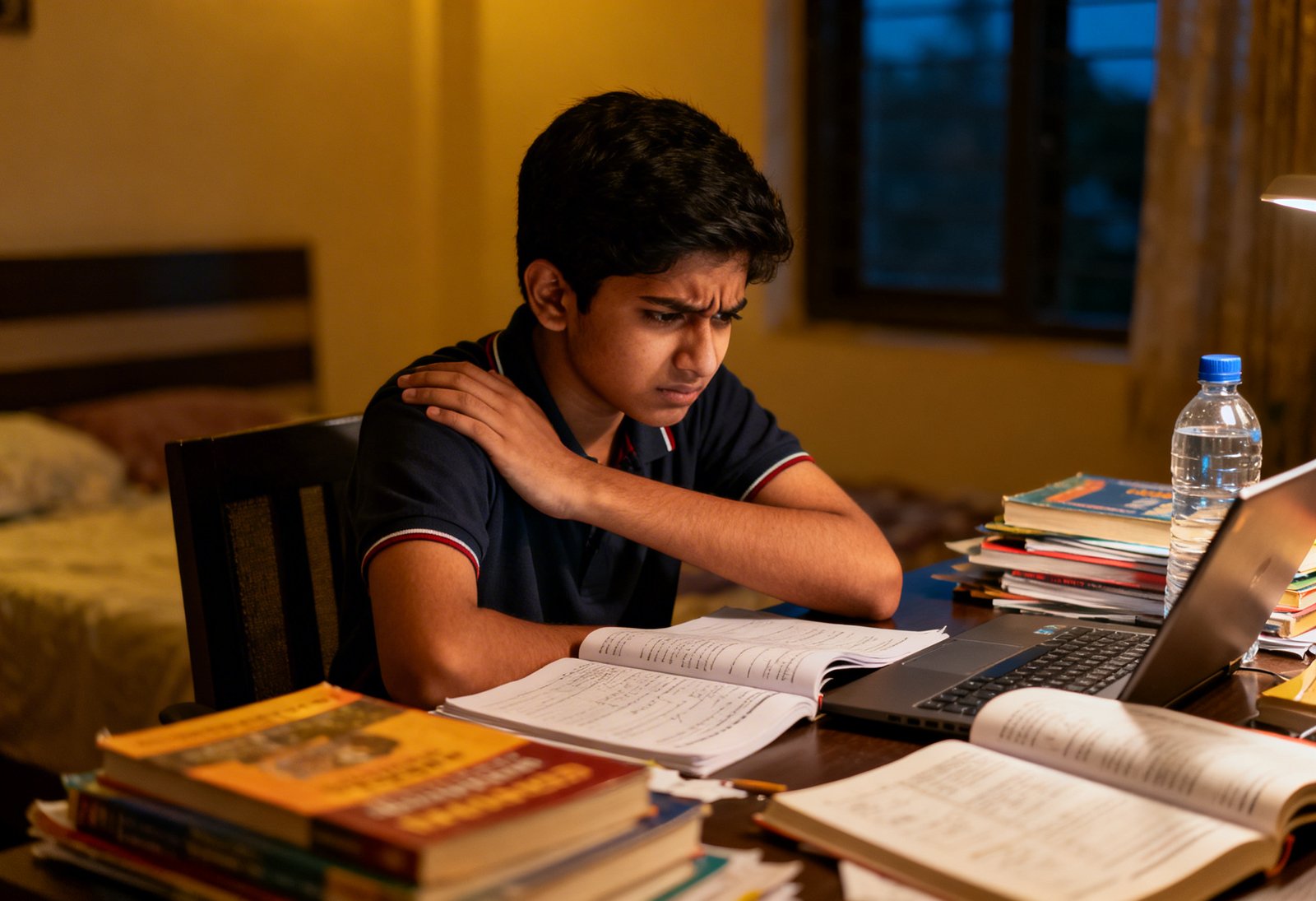
- Academic stress significantly impacts children in board exam years
In cities like Bengaluru, high academic competition, digital exposure, and nuclear family dynamics increase vulnerability to anxiety in kids, behavioral issues, and mood disorders.
Early screening improves outcomes.
How the Developing Brain Influences Emotional Development
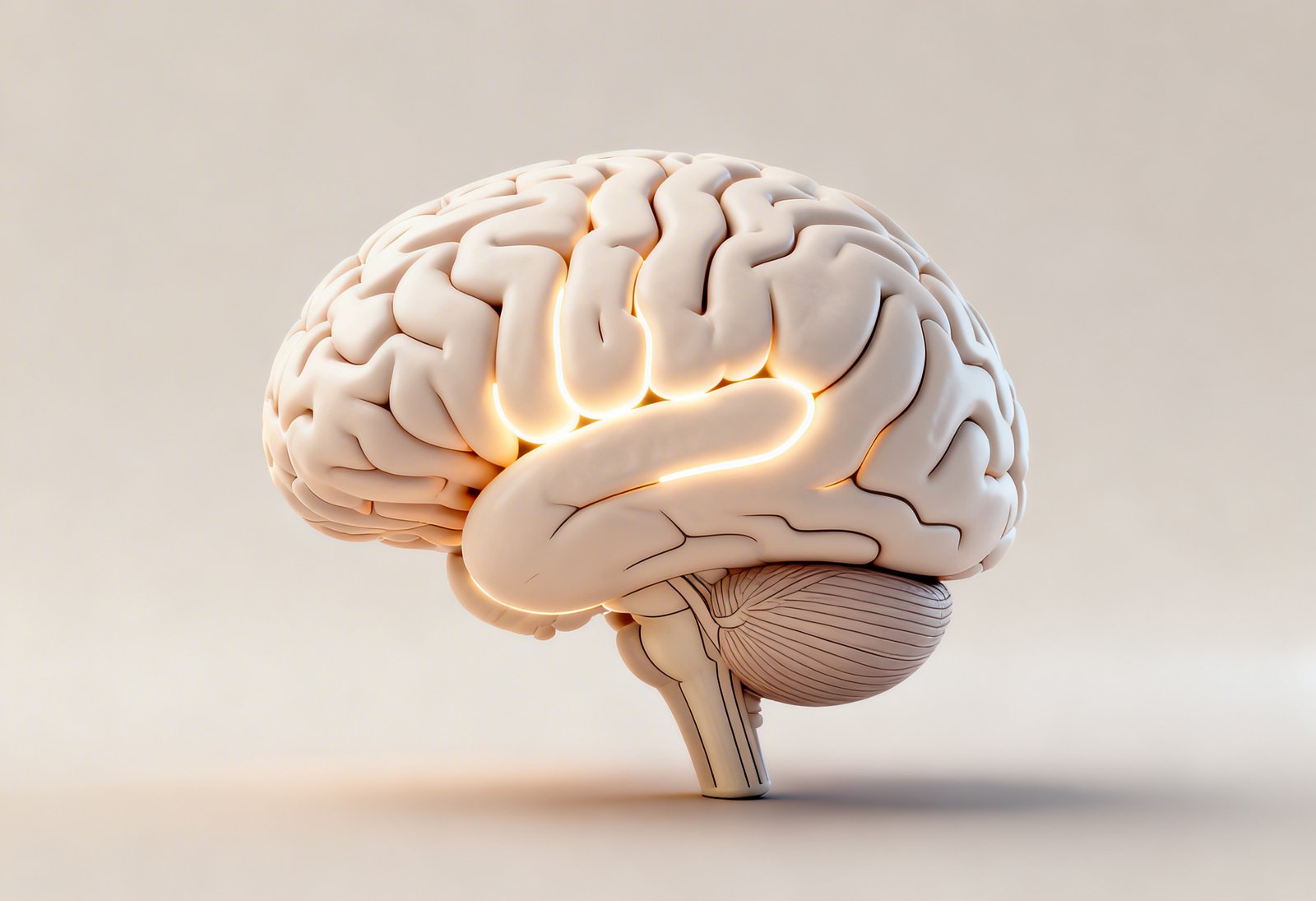
The Neurobiology of Pediatric Mental Health
A child’s brain undergoes rapid structural change in the first few years of life. By age two, the brain reaches nearly 75% of adult size.
Key systems involved:
1. Prefrontal Cortex
Responsible for:
- Decision-making
- Impulse control
- Emotional regulation
This area matures slowly and continues developing into the mid-20s.
2. Limbic System
The emotional brain includes:
Structure | Function | Behavioral Impact |
Amygdala | Processes fear and emotional reactions | Anxiety, aggression |
Hippocampus | Memory formation | Learning and recall |
Hypothalamus | Hormonal regulation | Sleep and appetite |
Thalamus | Sensory integration | Emotional processing |
In children and adolescents, the emotional brain often develops faster than the regulatory brain. This explains impulsivity, mood swings, and thrill-seeking behavior.
Emotional Development Milestones
Understanding developmental milestones helps parents identify early warning signs.
Infancy (0-12 months)
- Social smile by 2 months
- Stranger anxiety by 9 months
- Secure attachment formation
Toddlerhood (1-3 years)
- Temper tantrums
- Assertion of independence
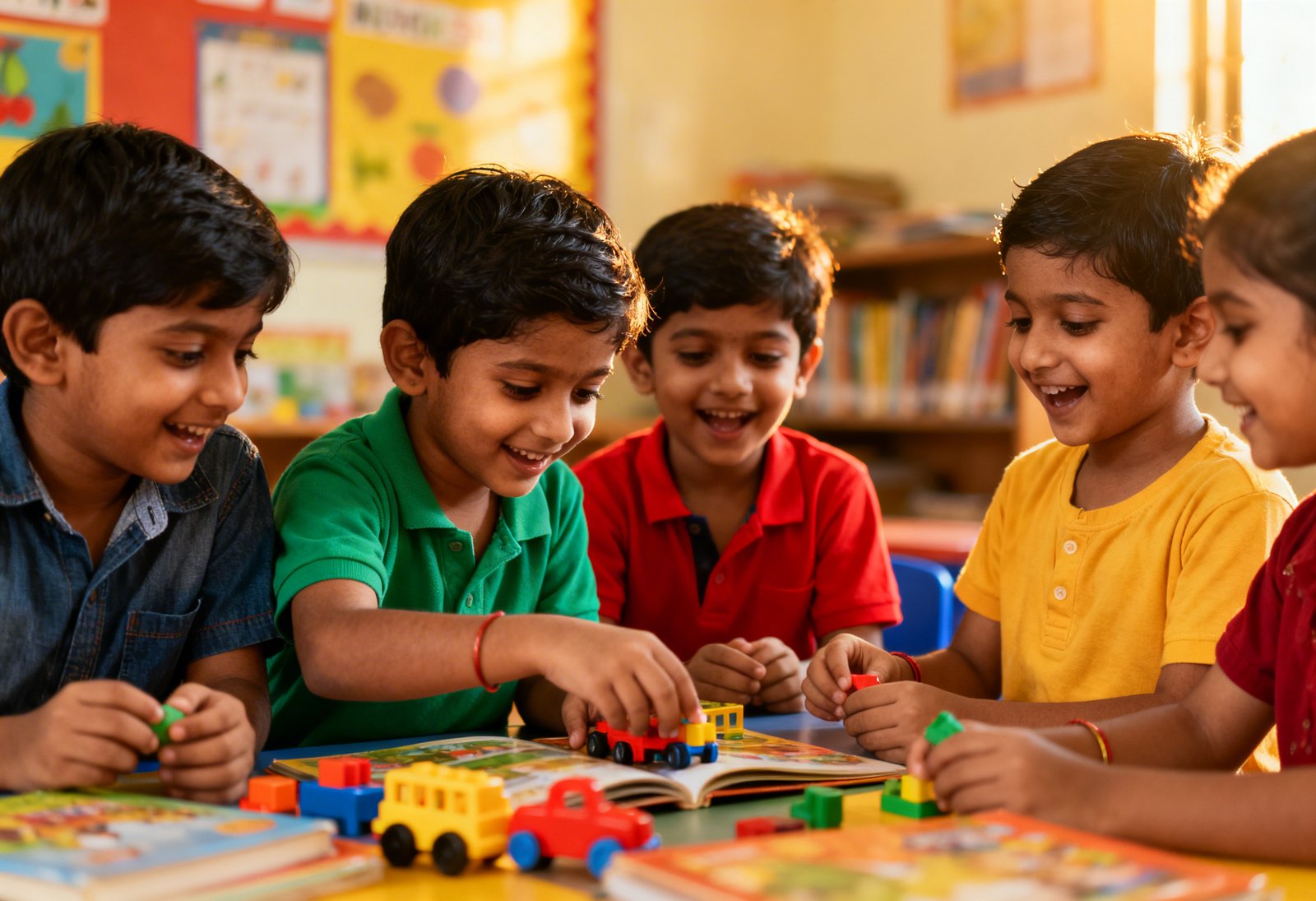
- Pretend play development
Preschool Years (3-5 years)
- Improved language
- Empathy development
- Peer interaction
School Age (6-12 years)
- Academic stress begins
- Peer approval importance increases
- Organized play and teamwork
Adolescence
- Identity formation
- Increased risk of anxiety and depression
- Heightened emotional sensitivity
If behaviors are persistent, severe, or interfere with school and social life, evaluation is necessary.
Common Pediatric Mental Health Conditions
1. Anxiety Disorders
Symptoms:
- Excessive worrying
- School refusal
- Physical symptoms like stomach aches
2. Depression in Children
Symptoms:
- Irritability
- Social withdrawal
- Loss of interest
- Sleep disturbance
3. ADHD
- Inattention
- Hyperactivity
- Impulsivity
- Poor organization
4. Autism Spectrum Disorder
- Communication difficulties
- Repetitive behaviors
- Social interaction challenges
5. Oppositional Defiant Disorder
- Frequent defiance
- Aggressive responses
- Authority resistance
Red Flags Parents Should Not Ignore
Seek pediatric mental health consultation if you observe:
- Persistent sadness lasting more than two weeks
- Sudden academic decline
- Aggression or violent behavior
- Self-harm behaviors
- Regression like bedwetting
- Social withdrawal
- Talking about death or suicide
- Refusal to attend school
Early consultation prevents long-term psychological complications.
The Indian Context: Why Early Screening Is Important
The Indian Council of Medical Research emphasizes localized screening tools due to:
- Nutritional variations
- Genetic differences
- Environmental stressors
- Cultural factors
Urban children in South Bengaluru often face:
- Tuition overload
- Competitive schooling
- High screen exposure
- Reduced outdoor play
These lifestyle factors influence mental health and behavioral development.
How Pediatric Mental Health Consultation Works
At Little People Big Needs, consultation includes:
1. Detailed Developmental History
- Prenatal and birth history
- Milestones
- School performance
- Family dynamics
2. Behavioral Observation
Play-based interaction helps assess:
- Speech
- Social response
- Emotional regulation
3. Standardized Screening Tools
- ADHD scales
- Anxiety questionnaires
- Autism screening tools
- Emotional rating scales
4. Medical Evaluation
As a pediatrician and genetic specialist at Arka Anugraha Hospital, Dr. Smrithi Bhagiratha evaluates whether:
- Nutritional deficiencies
- Genetic factors
- Metabolic disorders
- Sleep disturbances
are contributing to psychological symptoms.
This integrated approach ensures comprehensive care.
Treatment Approaches in Pediatric Mental Health
1. Cognitive Behavioral Therapy (CBT)
Effective for anxiety and depression.
2. Exposure-Based Therapy
Especially useful in anxiety disorders.
3. Play Therapy
Helps younger children express emotions.
4. Parent Guidance Therapy
Strengthens attachment and communication.
5. Medication
Used cautiously in moderate to severe cases under strict supervision.
The Role of Genetics in Child Psychology
Many developmental disorders have genetic components. Dr. Smrithi Bhagiratha’s fellowship in Pediatric Genetics provides added diagnostic precision for:
- Autism spectrum disorders
- Intellectual disability
- Learning disorders
- Behavioral syndromes
This ensures root-cause assessment rather than symptom-based treatment.
Stress Management for Children
Healthy coping strategies include:
- Deep breathing
- Yoga and pranayama
- Structured routines
- Reduced screen time
- Physical activity
- Open communication
Children benefit significantly from predictable sleep schedules and balanced nutrition.
Digital Wellness Guidelines for Indian Families
- Below 2 years: No screen time
- 2-5 years: Maximum 1 hour supervised
- 5-10 years: Less than 2 hours
- Adolescents: Structured and mindful use
Excessive screen exposure correlates with anxiety, irritability, and sleep disruption.
When Should You See Dr. Smrithi Bhagiratha?
Consider booking a pediatric mental health consultation in Bengaluru if:
- Your child shows persistent emotional changes
- School complaints are increasing
- Behavioral outbursts are escalating
- You suspect ADHD or autism
- Anxiety is interfering with daily functioning
Early evaluation improves developmental outcomes.
If you are concerned about your child’s emotional or behavioral health, a structured pediatric consultation can provide clarity and reassurance.
You may schedule an appointment through https://littlepeoplebigneeds.in/ for personalized developmental assessment.
Integrated Care at Little People Big Needs
Located in South Bengaluru and associated with Arka Anugraha Hospital, the clinic offers:
- Child psychology consultation
- Developmental screening
- Pediatric genetics evaluation
- Behavioral management guidance
- Parent counseling
The focus remains on compassionate, evidence-based, and individualized care.
Conclusion
Child psychology is not about labeling children. It is about understanding their developmental trajectory and providing support when needed.
Mental health in children forms the blueprint for adult resilience. Early emotional experiences shape neural circuits that influence lifelong behavior.
With increasing academic and digital pressures in Bengaluru and across India, proactive pediatric mental health consultation is essential.
Dr. Smrithi Bhagiratha combines medical precision, developmental expertise, and family-centered care to help children not just grow – but thrive.
If you have concerns about your child’s emotional or behavioral development, consider scheduling a consultation for a structured evaluation and guidance tailored to your child’s needs.
FAQs
1. What is child psychology?
Child psychology studies emotional, behavioral, cognitive, and social development in children using standardized clinical assessment tools.
2. How do I know if my child needs a mental health evaluation?
Persistent behavioral changes, academic decline, social withdrawal, or mood shifts lasting more than two weeks require evaluation.
3. Is anxiety common in school-going children?
Yes. Academic pressure and social stress significantly increase anxiety in children in urban India.
4. At what age can ADHD be diagnosed?
ADHD is usually diagnosed after age 5 when symptoms are observed consistently across school and home settings.
5. Can pediatric mental health issues resolve without treatment?
Some phases improve naturally, but persistent symptoms benefit from early intervention.
6. Does genetics play a role in behavioral disorders?
Yes. Many neurodevelopmental conditions have genetic components that influence diagnosis and treatment planning.
7. Is medication always required?
No. Many cases improve with therapy, parent guidance, and lifestyle modifications. Medication is reserved for moderate to severe cases.
8. How can I book a consultation?
Appointments can be scheduled through https://littlepeoplebigneeds.in/ for pediatric mental health evaluation in Bengaluru.