Recurrent Respiratory Infections in Children: Causes, Environmental Triggers & Expert Management in Mysuru and Bengaluru
Executive Summary
Recurrent respiratory infections in children are among the most common reasons for pediatric consultations in Mysuru and Bengaluru. While viral colds are a normal part of immune development, repeated or persistent episodes of cold and cough may signal underlying immunological, allergic, environmental, nutritional, or structural concerns.
Clinically, a cough lasting:
- Less than 3 weeks is considered acute
- More than 4 weeks in children is classified as chronic
When cough becomes recurrent or chronic, it can affect:
- Sleep quality
- Appetite and nutrition
- Growth trajectory
- Lung development
- Academic performance
At Little People Big Needs, Dr. Smrithi Bhagiratha evaluates recurrent cough not as an isolated symptom but as part of a larger pediatric health ecosystem – growth, immunity, environment, and genetic predisposition.
Understanding the Pediatric Cough Reflex
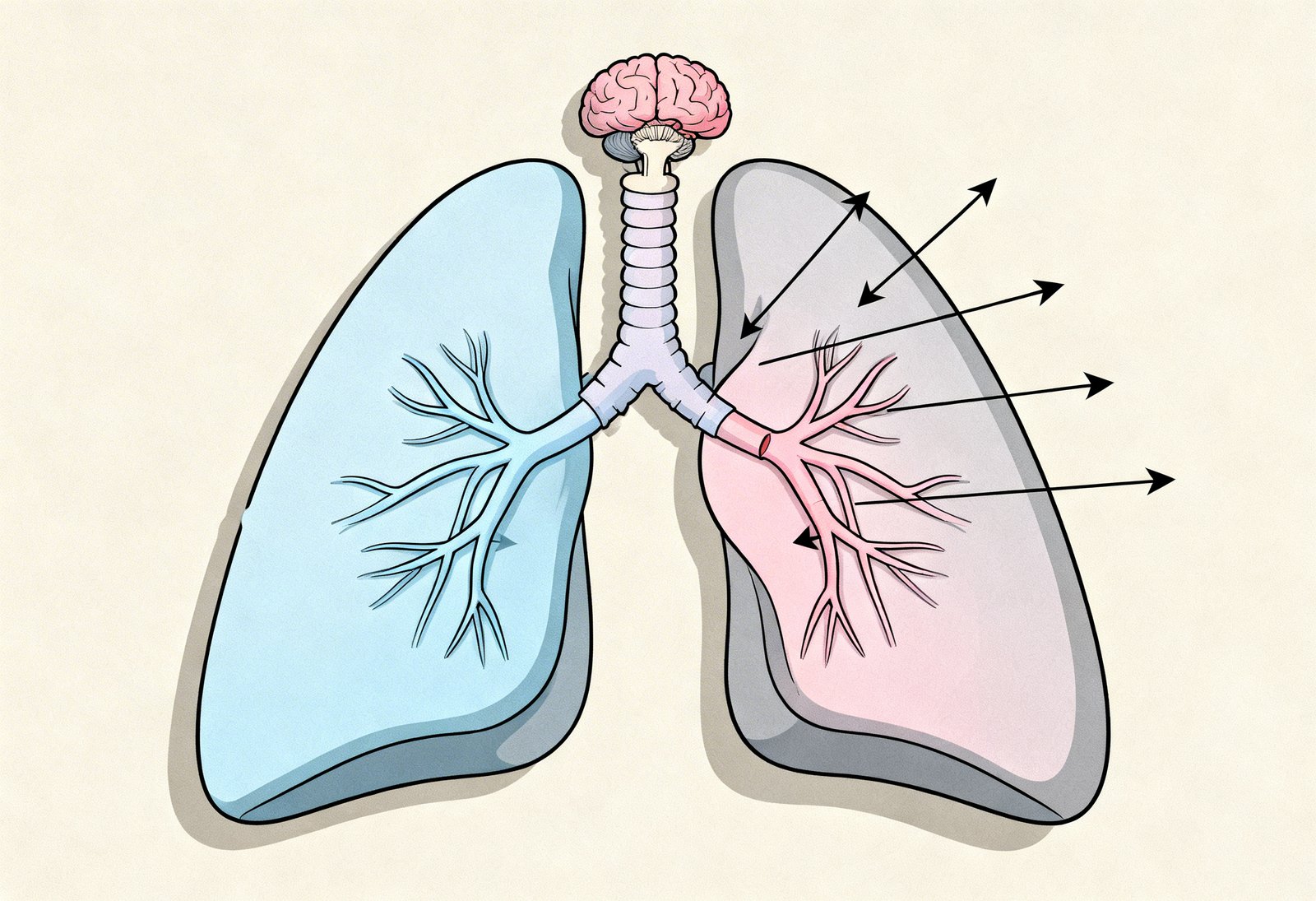
Cough is a protective reflex designed to clear the airway.
Mechanism
- Airway sensory nerves detect irritation
- Signal transmitted to the medulla cough center
- Deep inspiration
- Glottis closure
- Forceful muscular contraction
- Sudden release with high-velocity airflow
In children with repeated infections, the airway mucosa becomes hypersensitive. Even minor triggers like:
- Cold air
- Laughter
- Physical exertion
- Dust exposure
can trigger persistent coughing.
Over time, this creates a cycle of airway inflammation and cough hypersensitivity.
How Many Colds Are “Normal” in Children?
The pediatric immune system matures gradually. It is normal for children to experience:
- 6 to 8 viral infections per year
- Even more in daycare settings
However, recurrence beyond expected limits requires evaluation.
Clinical Benchmarks
Recurrent Upper Respiratory Infections:
More than 6 to 8 episodes annually
Chronic Cough:
Cough lasting more than 4 weeks
Recurrent Wheezing:
3 or more episodes within 6 months
Recurrent Ear Infections:
3 episodes in 6 months
In India, recurrent respiratory tract infections remain a leading cause of pediatric hospitalization due to environmental exposure and nutritional vulnerabilities.
Common Infectious Causes of Recurrent Cold and Cough
Viral Infections
Over 200 viruses cause the common cold, including:
- Rhinovirus
- Coronavirus
- Influenza
- Respiratory Syncytial Virus (RSV)
RSV infects nearly all children before age two. Severe RSV bronchiolitis may increase future asthma risk.
Protracted Bacterial Bronchitis (PBB)
A major cause of chronic wet cough in preschool children.
Features:
- Daily wet cough
- Duration more than 4 weeks
- No fever
- No pneumonia
Common organisms:
- Haemophilus influenzae
- Streptococcus pneumoniae
- Moraxella catarrhalis
Requires targeted antibiotic therapy.
Pertussis and Atypical Pneumonia
Pertussis may cause:
- Violent coughing spells
- Vomiting after cough
- Whooping sound
Mycoplasma pneumonia can cause prolonged dry cough lasting weeks.
Non-Infectious Causes of Recurrent Cough
Pediatric Asthma
Asthma is one of the most common causes of recurrent cough in Bengaluru and Mysuru.
Symptoms may include:
- Night cough
- Exercise-induced cough
- Wheezing
- Breathlessness
In cough-variant asthma, cough is the only symptom.
Allergic Rhinitis and Post-Nasal Drip
Allergies cause:
- Clear nasal discharge
- Sneezing
- Itchy eyes
- Throat clearing
Post-nasal drip irritates the airway, triggering chronic cough.
House dust mites, pollen, and fungi are common regional allergens.
Environmental Triggers in Mysuru and Bengaluru
Urbanization has significantly increased respiratory vulnerability in children.
Outdoor Air Pollution
Particulate matter (PM2.5, PM10) causes:
- Oxidative stress
- Bronchial inflammation
- Mucus overproduction
- Reduced lung growth
Hospital admissions for pediatric respiratory illness rise during high pollution periods.
Household Irritants
Incense (Agarbatti)
Associated with increased asthma risk.
Mosquito Coils
Emit fine particulate matter harmful to airway epithelium.
Secondhand Smoke
Increases severity and frequency of respiratory infections.
Industrial Proximity
Children living near industrial areas show significantly higher asthma prevalence.
Reducing household exposure is a critical preventive strategy.
Nutritional Deficiencies and “Weak Immunity”
Most children with frequent colds do not have immune deficiency.
However, certain deficiencies significantly increase infection risk.
Iron Deficiency Anemia
Iron supports alveolar macrophage function.
Anemic children:
- Are more prone to lower respiratory infections
- Have impaired immune signaling
- Show higher recurrence rates
Correction of iron deficiency reduces respiratory infection recurrence dramatically.
Vitamin A Deficiency
Vitamin A maintains respiratory mucosal integrity.
Deficiency causes:
- Impaired mucus production
- Reduced pathogen clearance
- Higher infection rates
Government-recommended supplementation between 9 months and 5 years remains crucial.
Structural Causes of Recurrent Respiratory Infections
Adenoid and Tonsillar Hypertrophy
Symptoms:
- Mouth breathing
- Snoring
- Recurrent sinus infections
- Persistent nasal congestion
Blocked nasal passages promote bacterial growth.
Gastroesophageal Reflux (GERD)
GERD-related cough may:
- Occur after meals
- Be dry
- Persist without fever
Micro-aspiration irritates airway mucosa.
Foreign Body Aspiration
Sudden cough in previously healthy children requires urgent evaluation.
Common objects:
- Peanuts
- Toy parts
- Beads
Localized wheeze unresponsive to treatment is suspicious.
Diagnostic Approach to Recurrent Cough
Dr. Smrithi Bhagiratha follows a structured framework.
Detailed Clinical History
Timing
Triggers
Nature of cough
Associated symptoms
Chest X-ray
Indicated for:
- Persistent symptoms
- Suspected pneumonia
- Tuberculosis
- Foreign body
Spirometry
For children older than 5 years to evaluate asthma.
Blood Investigations
Complete Blood Count
Serum Ferritin
Sputum Culture
For persistent productive cough.
Evidence-Based Management of Recurrent Cough
Home Management
Honey: Half to one teaspoon at bedtime for children older than 1 year.
Contraindicated below 12 months.
Saline Nasal Drops
Helps reduce post-nasal drip and congestion.
Hydration
Maintains mucosal moisture.
Humidification
Cool mist humidifiers reduce throat irritation.
What to Avoid
- Over-the-counter cough syrups in children below 4 years
- Unnecessary antibiotics
- Aspirin
Antibiotic misuse contributes to antimicrobial resistance.
Long-Term Prevention Strategies
Vaccination
Ensure coverage for:
- Influenza
- Pneumococcal vaccine
- Haemophilus influenzae type b
Annual flu vaccine is strongly recommended.
Nutrition
Encourage:
- Whole fruits over juices
- Iron-rich foods
- Balanced protein intake
Environmental Control
- Avoid incense and mosquito coils
- Improve ventilation
- Reduce indoor dust
- Promote outdoor activity in clean air zones
When to See a Pediatric Specialist
Consult urgently if:
- Cough persists beyond 4 weeks
- Rapid or labored breathing
- Poor weight gain
- Recurrent ear infections
- Repeated hospital admissions
- Nighttime breathlessness
Parents in Mysuru and Bengaluru can schedule consultation with Dr. Smrithi Bhagiratha at Little People Big Needs for comprehensive pediatric respiratory evaluation.
Early intervention prevents long-term pulmonary complications.
Conclusion
Recurrent respiratory infections in children are common but should never be dismissed when patterns become persistent.
Understanding the interplay between:
- Infection
- Allergy
- Pollution
- Nutrition
- Structural anatomy
is essential for long-term respiratory resilience.
With structured evaluation and personalized management, most children outgrow recurrent cough patterns and develop strong, healthy lungs.
Timely consultation ensures that no underlying cause is overlooked.
FAQs
- How many colds per year are normal in children?
6 to 8 viral infections annually are common. - When is cough considered chronic in children?
When it lasts more than 4 weeks. - Can iron deficiency cause recurrent respiratory infections?
Yes. Iron deficiency significantly increases lower respiratory infection risk. - Is asthma always associated with wheezing?
No. In cough-variant asthma, cough may be the only symptom. - Are mosquito coils harmful to children?
Yes. They emit fine particles that irritate pediatric airways. - Should antibiotics be given for every cold?
No. Most colds are viral. - Can pollution in Bengaluru trigger asthma?
Yes. Particulate matter increases airway inflammation. - Is honey safe for cough?
Only for children older than 1 year. - What is Protracted Bacterial Bronchitis?
A persistent wet cough lasting more than 4 weeks due to bacterial colonization. - When should a chest X-ray be done?
If symptoms persist or red flags appear. - Does Vitamin A help immunity?
Yes. It maintains respiratory mucosal integrity. - Can GERD cause chronic coughing?
Yes. Acid reflux can irritate the airway.