Developmental Delay in Children: Early Warning Signs Every Parent in Bengaluru Should Know
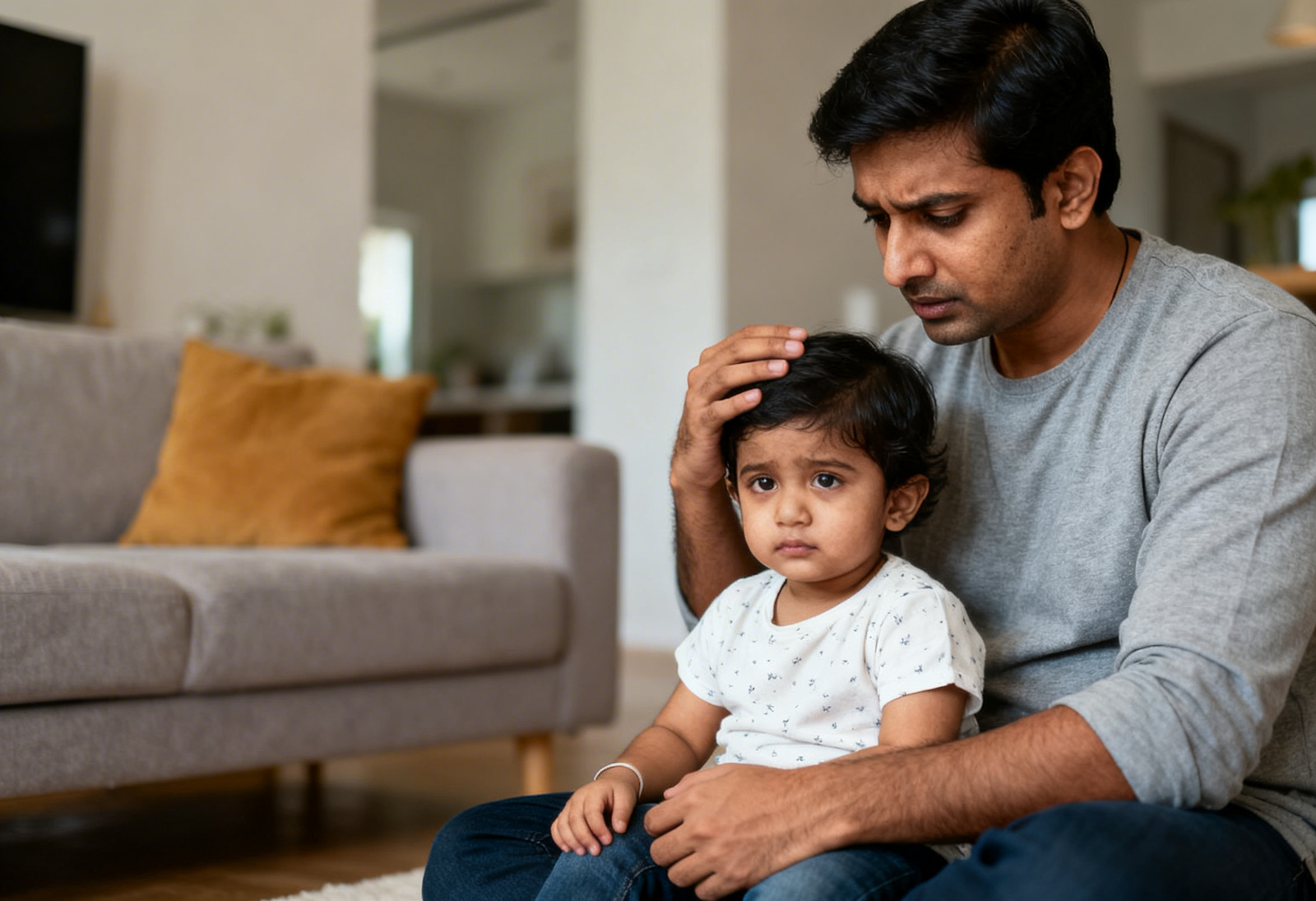
Developmental delay in children refers to a significant lag in achieving age-appropriate milestones in one or more domains such as speech, motor skills, cognition, or social interaction. While every child develops at their own pace, certain warning signs should never be ignored.
In India, developmental delays are increasingly recognized through structured programs like the national child screening initiatives. Yet many children are still diagnosed late due to the outdated “wait-and-watch” approach.
At Little People Big Needs in JP Nagar, Bengaluru, Dr. Smrithi Bhagiratha follows a proactive developmental surveillance model. Early identification combined with structured intervention significantly improves long-term outcomes.
What Is Developmental Delay?
Developmental delay in children occurs when a child does not reach expected milestones within the typical age range.
The five major domains include:
- Gross motor skills
- Fine motor skills
- Speech and language development
- Cognitive abilities
- Social and emotional skills
A delay may affect one domain or multiple domains, known as Global Developmental Delay.
Why Early Detection Is Critical
The first five years of life represent peak brain plasticity. Neural circuits responsible for movement, communication, and behavior are highly adaptable during this window.
Research shows:
- Early intervention before age 3 significantly improves speech and motor outcomes
- Untreated speech delay may persist into adulthood
- Motor asymmetry may signal cerebral palsy
- Regression requires urgent neurological evaluation
In Bengaluru’s urban environment, risk factors such as premature birth, screen overuse, nutritional deficiencies, and limited interaction have increased parental concern regarding developmental milestones.
If there is doubt, structured evaluation is always safer than waiting.
Understanding Developmental Milestones by Age
Birth to 6 Months
Expected skills:
- Social smile by 2 months
- Head control by 3 months
- Rolling by 6 months
- Responding to loud sounds
- Beginning babbling
Red flags:
- No eye contact
- No head control
- No social smile
9 to 12 Months
Expected skills:
- Sitting without support
- Crawling
- Responding to name
- Babbling “mama” or “dada”
- Pincer grasp by 12 months
Red flags:
- No babbling by 9 months
- No gesturing by 12 months
- Persistent asymmetry
- No response to name
18 Months
Expected skills:
- Independent walking
- 10 to 20 word vocabulary
- Beginning spoon use
- Pretend play
Red flags:
- Not walking independently
- No single words
- No pretend play
24 Months
Expected skills:
- Two-word phrases
- Following simple commands
- Parallel play
Red flags:
- No two-word phrases
- Limited comprehension
- Lack of social engagement
3 to 5 Years
Expected skills:
- 75% intelligible speech by 3 years
- Climbing stairs alternately
- Pretend and imaginative play
- Counting and color recognition by 5 years
Red flags:
- Unintelligible speech at 3 years
- Loss of skills at any age
- Extreme behavioral withdrawal
Universal Red Flag: Regression
Regression refers to the loss of previously acquired skills.
Examples:
- Child stops speaking words they previously used
- Loss of walking ability
- Social withdrawal after normal interaction
Regression is never normal and requires urgent pediatric evaluation.
Common Causes of Developmental Delay in India
1. Genetic Factors
Conditions include:
- Down syndrome
- Fragile X syndrome
- Metabolic disorders
- Chromosomal abnormalities
Dr. Smrithi Bhagiratha’s specialization in pediatric genetics allows precise identification of such causes.
2. Prenatal and Birth Factors
- Premature birth
- Low birth weight
- Birth asphyxia
- Neonatal infections
- Maternal alcohol exposure
Children born before 37 weeks require corrected age tracking for milestones.
3. Nutritional Deficiencies
Iron deficiency anemia, Vitamin D deficiency, and protein malnutrition are linked to delayed cognitive and motor development.
Urban Indian diets heavy in refined carbohydrates may contribute to hidden deficiencies.
4. Environmental and Lifestyle Factors
- Excess screen time before age 2
- Limited parent-child interaction
- Poor sleep hygiene
- High stress environments
Screen exposure in infants can delay language acquisition by reducing real-world stimulation.
How Developmental Delay Is Diagnosed
At Little People Big Needs in Bengaluru, evaluation includes:
Developmental Surveillance
Routine milestone tracking at every visit.
Standardized Screening Tools
- Ages and Stages Questionnaire (ASQ-3)
- Indian validated developmental charts
Detailed Assessment
If screening suggests delay, further evaluation may include:
- Audiology testing
- Neurological exam
- MRI in specific cases
- Genetic testing when indicated
A structured child developmental check-up provides clarity and reduces parental anxiety.
If you are concerned about your child’s development, you can schedule a consultation at
https://littlepeoplebigneeds.in/
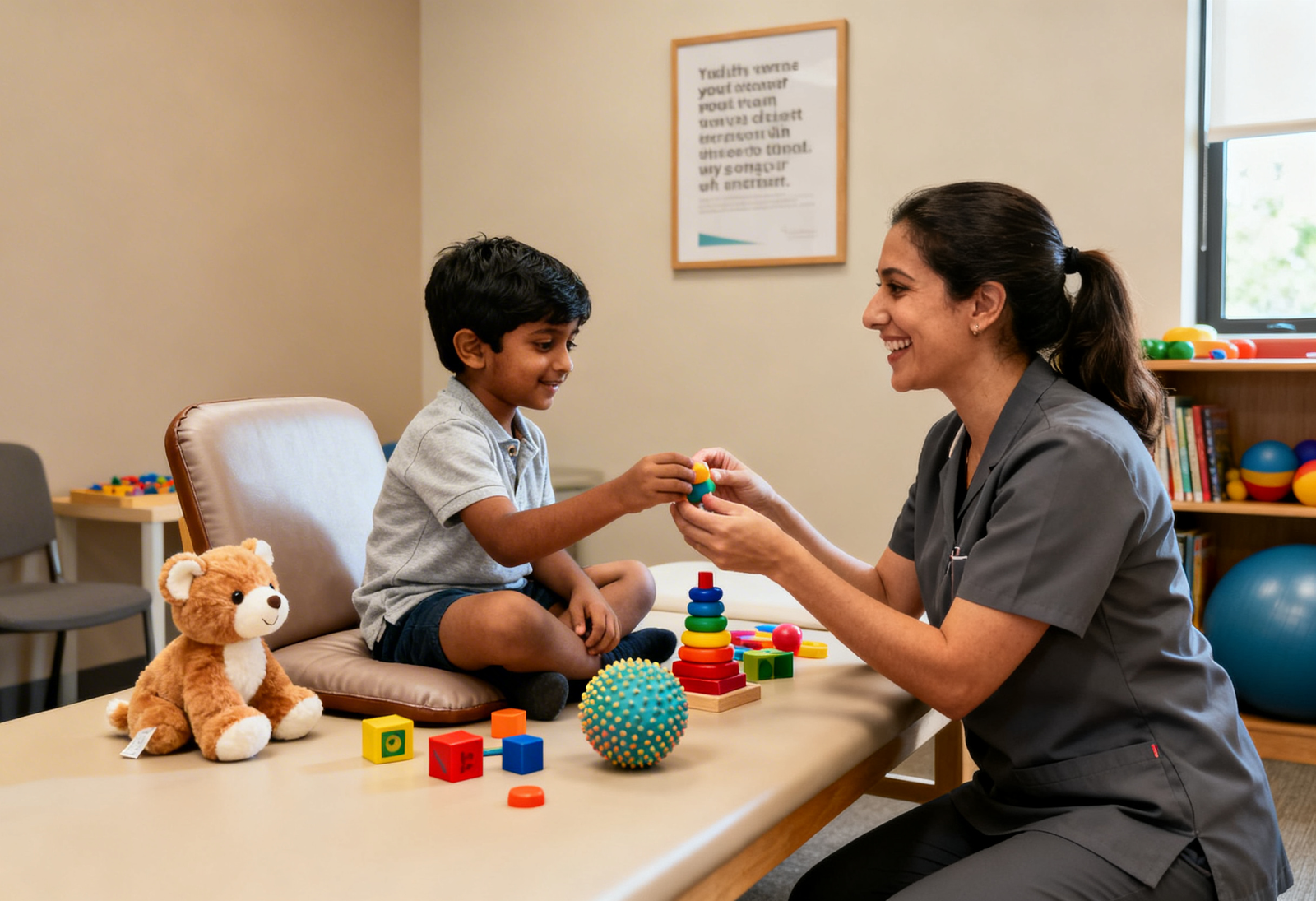
Early Intervention Therapy: Why Timing Matters
Early intervention therapy works because the brain remains highly adaptable in the first three years.
Therapy may include:
Speech Therapy
- Language stimulation
- Feeding therapy
- Oromotor strengthening
Occupational Therapy
- Fine motor skill training
- Sensory integration
- Self-help skill development
Physical Therapy
- Muscle tone regulation
- Balance improvement
- Gait training
Behavioral Therapy
- Social communication
- Autism support strategies
Children who begin therapy early often show remarkable improvement in independence and school readiness.
Multidisciplinary Pediatric Care in Bengaluru
At Little People Big Needs, Dr. Smrithi Bhagiratha combines:
- General pediatrics
- Neonatal expertise
- Pediatric genetic evaluation
In collaboration with Arka Anugraha Hospital, families receive structured, evidence-based care tailored to Indian clinical realities.
The clinic environment is child-centric, allowing accurate observation of natural behavior patterns during evaluation.
Practical Advice for Parents
If you suspect developmental delay in children:
- Do not wait beyond 2 to 3 months of concern
- Document milestone history
- Reduce screen exposure
- Increase verbal interaction and play
- Ensure nutritional adequacy
- Request formal screening
Parental instinct is often correct.
When Should You Book a Developmental Evaluation?
You should seek consultation if:
- Your child is not walking by 18 months
- There are no meaningful words by 16 months
- Two-word phrases are absent at 24 months
- There is regression at any age
- Motor asymmetry persists
- School reports attention or learning concerns
Early action prevents secondary complications.
You may book an appointment with Dr. Smrithi Bhagiratha at
https://littlepeoplebigneeds.in/
Conclusion
Developmental delay in children is not a diagnosis in itself but a signal that the brain requires structured support.
Early screening, accurate diagnosis, and timely intervention can transform outcomes.
In Bengaluru and across India, awareness is improving, but proactive parental involvement remains essential.
Under the expert guidance of Dr. Smrithi Bhagiratha at Little People Big Needs, families receive personalized developmental roadmaps rooted in pediatric science and clinical genetics.
If you have even a mild concern, early evaluation offers clarity and opportunity.
FAQs
1. What is developmental delay in children?
It refers to a significant lag in achieving age-appropriate milestones in motor, speech, cognitive, or social domains.
2. Can developmental delay be temporary?
Some delays are temporary and improve with therapy. Others may indicate long-term developmental disorders.
3. Is speech delay common in Indian children?
Yes. Delayed speech in kids is one of the most common concerns reported in pediatric practice.
4. When should a child start speaking two-word phrases?
By 24 months, children should use two-word combinations like “want milk.”
5. Does screen time cause developmental delay?
Excessive early screen exposure can delay language and social skills but does not cause genetic disorders.
6. What is the difference between delay and disability?
A delay may be catch-up with therapy, while a disability is usually lifelong though manageable.
7. Should premature babies be evaluated differently?
Yes. Corrected age is used for milestone assessment in preterm infants.
8. When should I consult a pediatric specialist in Bengaluru?
If milestones are not met, regression occurs, or school concerns arise, early consultation is recommended.