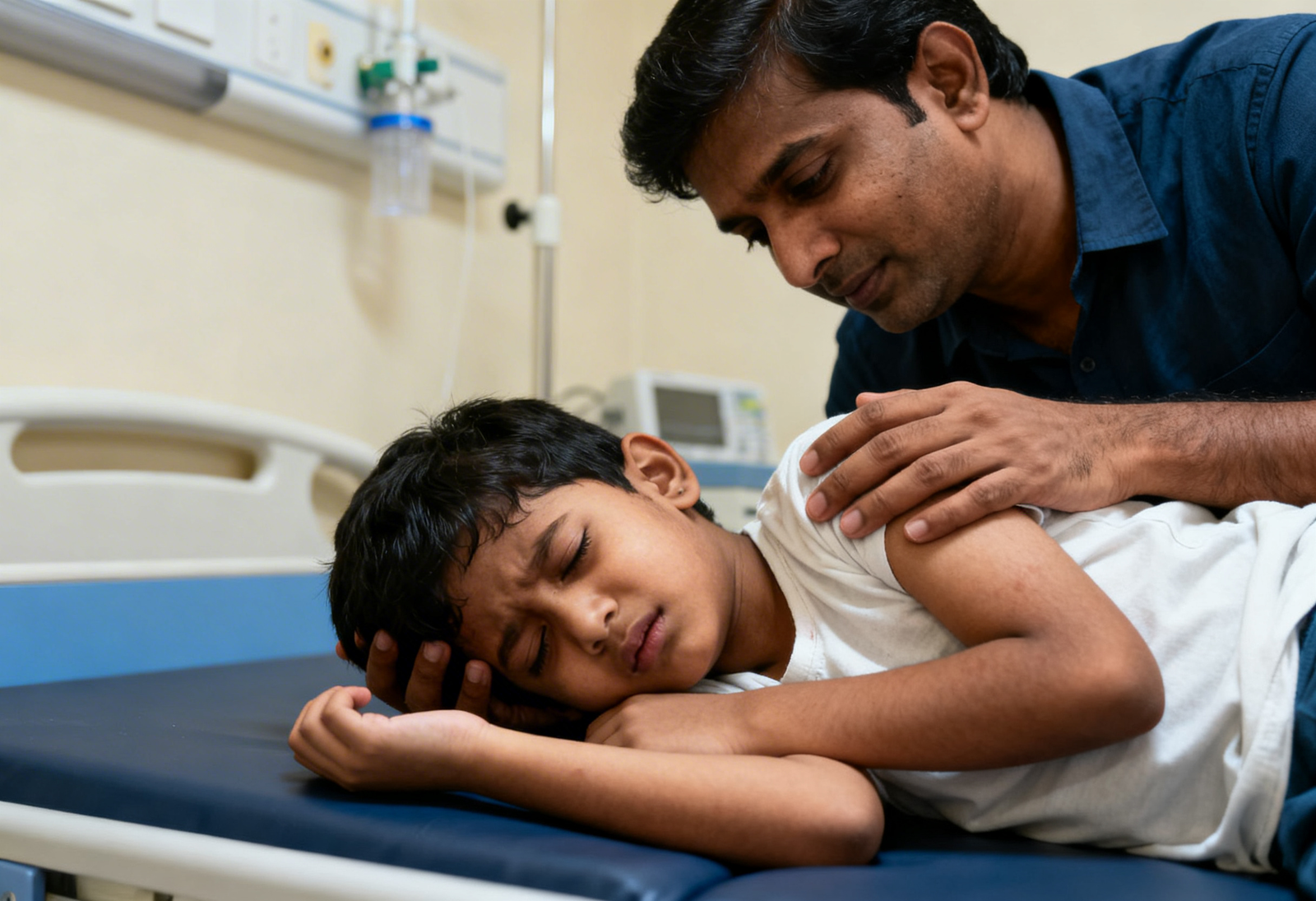
Pediatric Emergencies: Warning Signs Every Parent in Bengaluru Should Know
Pediatric emergencies can escalate quickly. Unlike adults, children often compensate for illness until they suddenly deteriorate. Recognizing pediatric emergency signs early can save a child’s life.
In India, respiratory infections, dehydration from diarrhea, seizures, trauma, and poisoning remain the most common reasons children are rushed to emergency departments. Many of these emergencies are preventable or manageable when parents identify red flags early.
At Little People Big Needs, Dr. Smrithi Bhagiratha focuses on helping families understand when a child’s illness requires immediate hospital evaluation versus safe home care.
This guide explains how to recognize pediatric emergencies, what symptoms demand urgent attention, and when to seek specialist consultation in Bengaluru.
Why Pediatric Emergencies Are Different from Adult Emergencies
Children are physiologically distinct from adults in several ways:
- Narrower airways
- Higher metabolic rates
- Lower blood volume
- Faster heart rates
- Limited ability to increase stroke volume
These differences mean that:
- Respiratory distress worsens rapidly
- Dehydration develops faster
- Shock may occur even with normal blood pressure initially
- Hypoglycemia can happen quickly
A child may appear stable and then deteriorate within minutes.
Understanding this vulnerability is critical.
The Most Common Pediatric Emergencies in India
In Indian emergency departments, the leading causes include:
- Severe respiratory distress
- Acute diarrhea with dehydration
- High fever with seizures
- Head injury
- Choking in children
- Accidental poisoning
- Severe allergic reactions
Seasonal patterns are common:
- Summer: Gastrointestinal infections and dehydration
- Winter: Pneumonia and bronchiolitis
- Post-monsoon: Viral fevers and neurological infections
Parents in Bengaluru often see spikes during these seasonal transitions.
Recognizing Respiratory Emergencies in Children
Breathing problems are the most dangerous pediatric emergencies.
Emergency Warning Signs
- Rapid breathing
- Chest retractions
- Nasal flaring
- Head bobbing in infants
- Grunting sounds
- Stridor
- Bluish lips or tongue
- Inability to speak or cry
If you notice any of these signs, immediate hospital evaluation is required.
Even mild viral infections can cause severe airway obstruction in young children due to their narrow airways.
Circulatory Emergencies: Recognizing Shock and Severe Dehydration
Children often maintain normal blood pressure until late shock.
Early Warning Signs of Shock
- Very fast heart rate
- Cold hands and feet
- Pale or mottled skin
- Delayed capillary refill over 3 seconds
- Excessive sleepiness
- Irritability
Signs of Severe Dehydration
- No urine for 12 to 18 hours
- Sunken eyes
- Dry mouth
- No tears while crying
- Sunken fontanelle in infants
Severe dehydration can occur within hours during persistent vomiting or diarrhea.
If your child shows these signs, emergency care is necessary.
Neurological Emergencies: When Seizures or Lethargy Are Dangerous
Seizures are one of the most alarming pediatric emergencies.
When a Seizure Is an Emergency
- Lasts more than 5 minutes
- Multiple seizures without regaining consciousness
- First-time seizure
- Accompanied by stiff neck or persistent vomiting
- Occurs in infants under 6 months
High fever with altered consciousness may indicate meningitis.
A child who is not alert, not responding to voice, or unusually floppy requires urgent medical evaluation.
High Fever: When Should Parents Worry?
Fever alone is not always dangerous. However:
- Any fever in infants below 3 months is an emergency
- Fever with breathing difficulty
- Fever with stiff neck
- Fever with non-blanching rash
- Fever with persistent vomiting
- Fever with severe lethargy
These signs require immediate hospital consultation.
Parents in South Bengaluru often ask whether to wait. When red flags are present, do not delay.
Choking in Children: Immediate Action Matters
Choking is a leading preventable pediatric emergency.
Common Causes
- Nuts
- Grapes
- Coins
- Button batteries
- Small toys
Emergency Signs
- Inability to speak
- Silent coughing
- Bluish lips
- Sudden collapse
If the child cannot breathe:
- Infants under 1 year: Back blows and chest thrusts
- Children over 1 year: Abdominal thrusts
Button battery ingestion is especially dangerous and requires immediate emergency department evaluation.
Accidental Poisoning: A Major Household Risk
In Indian households, kerosene ingestion remains a common emergency due to improper storage.
Other risks include:
- Cleaning chemicals
- Medicines
- Pesticides
- Camphor
- Mosquito repellents
If ingestion is suspected:
- Do not induce vomiting
- Bring the container to the hospital
- Seek emergency care immediately
Head Injury: When to Rush to the Hospital
Minor bumps are common. However, seek urgent evaluation if:
- Loss of consciousness
- Repeated vomiting
- Seizure
- Increasing drowsiness
- Confusion
- Severe headache
Children may not verbalize symptoms clearly, so observation is essential.
What Happens at the Hospital During a Pediatric Emergency?
When a child arrives at a hospital such as Arka Anugraha Hospital, a structured triage system is used.
Immediate Priorities
- Airway
- Breathing
- Circulation
Rapid bedside tests may include:
- Blood glucose
- Electrolytes
- Oxygen saturation
If needed, imaging or specialized procedures are performed using pediatric-specific protocols.
Children requiring close monitoring may be admitted to the Pediatric Intensive Care Unit.
When Should You See a Pediatric Specialist?
Seek specialist consultation if:
- Symptoms persist despite home care
- Child has chronic illness with acute worsening
- Repeated emergency visits occur
- Severe dehydration develops
- Seizure disorders are present
- There is difficulty breathing
Early consultation improves outcomes.
If you are unsure whether your child’s symptoms qualify as a pediatric emergency, it is safer to seek medical advice.
Dr. Smrithi Bhagiratha evaluates children with acute symptoms and coordinates advanced care when required.
Preventing Pediatric Emergencies at Home
Prevention reduces emergency visits.
Household Safety Measures
- Store medicines and chemicals in locked cabinets
- Avoid small hard foods for children under 5
- Supervise water play
- Use helmets and car seats
- Keep button batteries out of reach
Health Measures
- Follow vaccination schedule
- Maintain hydration
- Develop a fever plan with your pediatrician
- Use antibiotics only when prescribed
- Keep emergency contact numbers accessible
Prepared families respond faster.
Golden Hour: Why Time Matters
The first hour during severe illness often determines outcome.
Delayed hospital presentation increases risk of:
- Brain injury
- Organ failure
- Prolonged hospitalization
- Long-term complications
When red flags are present, immediate action is essential.
Supporting Families During Emergencies
At Little People Big Needs, the approach prioritizes:
- Rapid assessment
- Clear communication
- Parent involvement
- Evidence-based protocols
- Coordinated hospital referral when necessary
If your child shows warning signs of a pediatric emergency, do not hesitate to seek medical attention.
Timely care can make a life-saving difference.
For consultation or evaluation, visit
https://littlepeoplebigneeds.in/
FAQs
1. What are the most common pediatric emergencies in India?
Respiratory distress, dehydration from diarrhea, seizures, high fever complications, trauma, and poisoning are most common.
2. When should I take my child to the emergency room for fever?
If the child is under 3 months, or if fever is associated with breathing difficulty, stiff neck, rash, or extreme lethargy.
3. How fast can dehydration become dangerous?
Severe dehydration can develop within hours during repeated vomiting or diarrhea in children.
4. What are the early signs of shock in a child?
Cold extremities, rapid heart rate, pale skin, delayed capillary refill, and excessive sleepiness.
5. Is a febrile seizure dangerous?
Most febrile seizures are benign, but seizures lasting more than 5 minutes require emergency evaluation.
6. When is choking life-threatening?
If the child cannot breathe, speak, or turns blue, it is a life-threatening emergency.
7. What should I do if my child swallows a battery?
Go to the emergency department immediately. Button batteries can cause severe internal burns within hours.
8. Should I follow up after an emergency visit?
Yes. Follow-up ensures complete recovery and prevents recurrence.