Routine Pediatric Check-Ups: Why They Are Essential for Your Child’s Lifelong Health
Routine pediatric check-ups are not just medical appointments. They are structured preventive child care visits designed to monitor growth, development, nutrition, behavior, and immunity at every stage of childhood.
In India, especially in cities like Bengaluru and South Bengaluru, children face a dual health burden. On one side are infectious diseases and nutritional deficiencies. On the other are rising concerns like childhood obesity, screen overuse, behavioral challenges, and early lifestyle disorders.
At Little People Big Needs, Dr. Smrithi Bhagiratha follows a comprehensive pediatric follow-up schedule that aligns with Indian Academy of Pediatrics guidelines and modern preventive healthcare standards. These wellness visits for children ensure that small concerns are identified before they become major problems.
What Are Routine Pediatric Check-Ups?
Routine pediatric check-ups are scheduled health supervision visits that occur at specific ages from birth through adolescence.
Unlike sick visits, these appointments focus on:
- Growth tracking
- Developmental milestone monitoring
- Immunization updates
- Nutritional assessment
- Behavioral screening
- Preventive counseling
They form the backbone of preventive child care.
The Pediatric Follow-Up Schedule: How Often Are Visits Needed?
The schedule is more frequent in early life because brain and body growth are fastest during the first two years.
Birth to 12 Months
Visits are recommended at:
- 3 to 5 days
- 1 month
- 2 months
- 4 months
- 6 months
- 9 months
- 12 months
These visits focus on:
- Weight gain and feeding
- Jaundice monitoring
- Head circumference growth
- Developmental milestones
- Immunizations
- Hearing and vision screening
15 Months to 3 Years
Visits occur at:
- 15 months
- 18 months
- 24 months
- 30 months
Focus shifts to:
- Speech and language development
- Social engagement
- Autism screening
- Behavioral regulation
- Nutrition transition
3 Years to Adolescence
After age three, an annual health check for kids is recommended.
These visits evaluate:
- School readiness
- Vision and hearing
- BMI and metabolic risk
- Mental health
- Puberty development
Continuity of care during adolescence is critical for emotional and physical health.
Why Preventive Child Care Matters in India
India faces the “double burden” of malnutrition.
Children may experience:
- Stunting due to undernutrition
- Obesity due to processed food intake
- Iron deficiency anemia
- Vitamin D deficiency
- Early metabolic syndrome
Routine pediatric check-ups allow early detection of these issues before long-term damage occurs.
The First 1000 Days: Nutritional Foundations
The first 1000 days from conception to age two are critical for brain development and immune programming.
Key Recommendations Based on ICMR 2024 Guidelines
- Exclusive breastfeeding for 6 months
- Continue breastfeeding up to 2 years
- Introduce complementary feeding at 6 months
- 400 grams of vegetables daily after infancy
- 50 percent whole grains
- Less than 5 percent calories from added sugar
- Salt less than 5 grams daily
Nutritional counseling during routine pediatric check-ups ensures these standards are implemented properly.
The Obesity and Iron Deficiency Paradox
Many parents are surprised to learn that overweight children can still have iron deficiency anemia.
Obesity causes chronic inflammation, which increases a hormone called hepcidin. Hepcidin blocks iron absorption, even if iron intake is adequate.
Therefore, hemoglobin screening is important for both underweight and overweight children.
If your child has fatigue, poor concentration, or pale skin, early evaluation is recommended.
Developmental Milestones: Why They Are Checked at Every Visit
Development is assessed in five domains:
- Gross motor
- Fine motor
- Speech and language
- Cognitive skills
- Social interaction
Examples of Milestones
By 6 months:
- Rolls both ways
- Babbles
- Recognizes familiar faces
By 12 months:
- Stands with support
- Says 2 to 3 words
- Waves bye
By 2 years:
- Uses two-word phrases
- Follows simple instructions
- Kicks a ball
Routine pediatric check-ups allow early detection of developmental delay.
If you notice regression or missed milestones, consultation should not be delayed.
You may schedule a developmental evaluation at
https://littlepeoplebigneeds.in/
Immunization: The Core of Preventive Pediatric Care
Vaccination protects children from life-threatening infections.
The Indian Academy of Pediatrics schedule includes:
- BCG and Hepatitis B at birth
- DTP, IPV, Hib, PCV, Rotavirus at 6, 10, 14 weeks
- MMR at 9 months
- Boosters at 15 and 18 months
- Varicella and Hepatitis A in the second year
Sticking to schedule prevents vulnerability gaps.
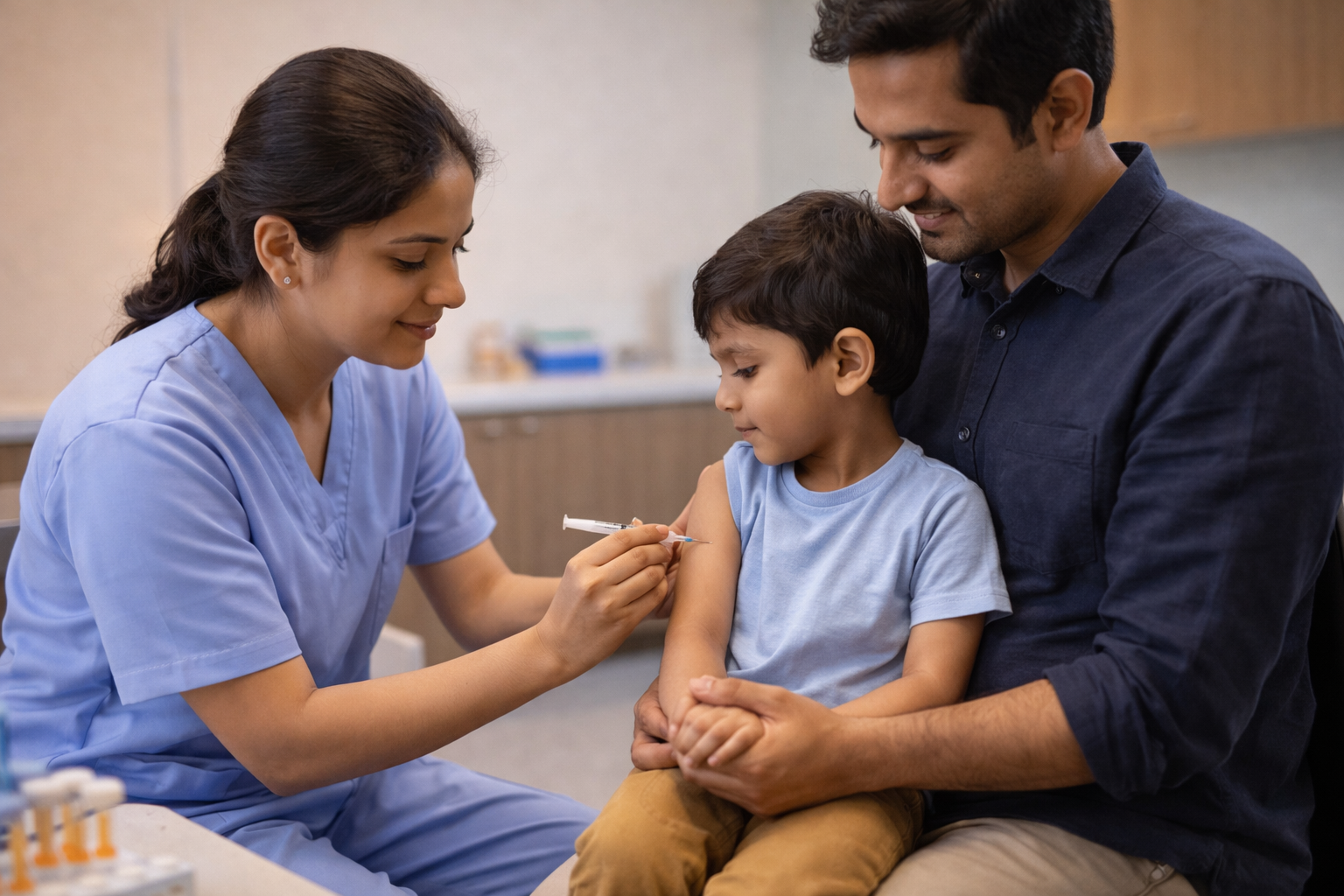
Routine pediatric check-ups ensure vaccines are administered on time.
Vision and Hearing Screening
Some developmental delays are actually sensory impairments.
Hearing
- Newborn screening using OAE or ABR
- Follow-up if baby does not respond to sound
- Mandatory screening for NICU babies
Vision
- Red reflex test in infancy
- Strabismus detection
- Formal vision testing after age 3
In Bengaluru, increased screen exposure has raised early myopia cases. Annual vision checks are important.
Orthopedic and Gait Evaluation
Parents often worry about walking patterns.
Common concerns include:
- Flat feet
- In-toeing
- Toe walking
Most cases are normal variations.
However, persistent toe walking after age 3 or asymmetrical gait requires evaluation.
Routine pediatric check-ups include gait assessment and musculoskeletal screening.
Mental Health Screening
Modern pediatric care includes behavioral and emotional assessment.
Signs to watch for:
- Persistent irritability
- Social withdrawal
- Academic decline
- Sleep disturbances
- Excessive screen dependency
Adolescents are screened for depression starting at age 12.
Early identification prevents long-term psychological impact.
What Happens During a Routine Pediatric Check-Up?
At Little People Big Needs in JP Nagar, Bengaluru, visits typically include:
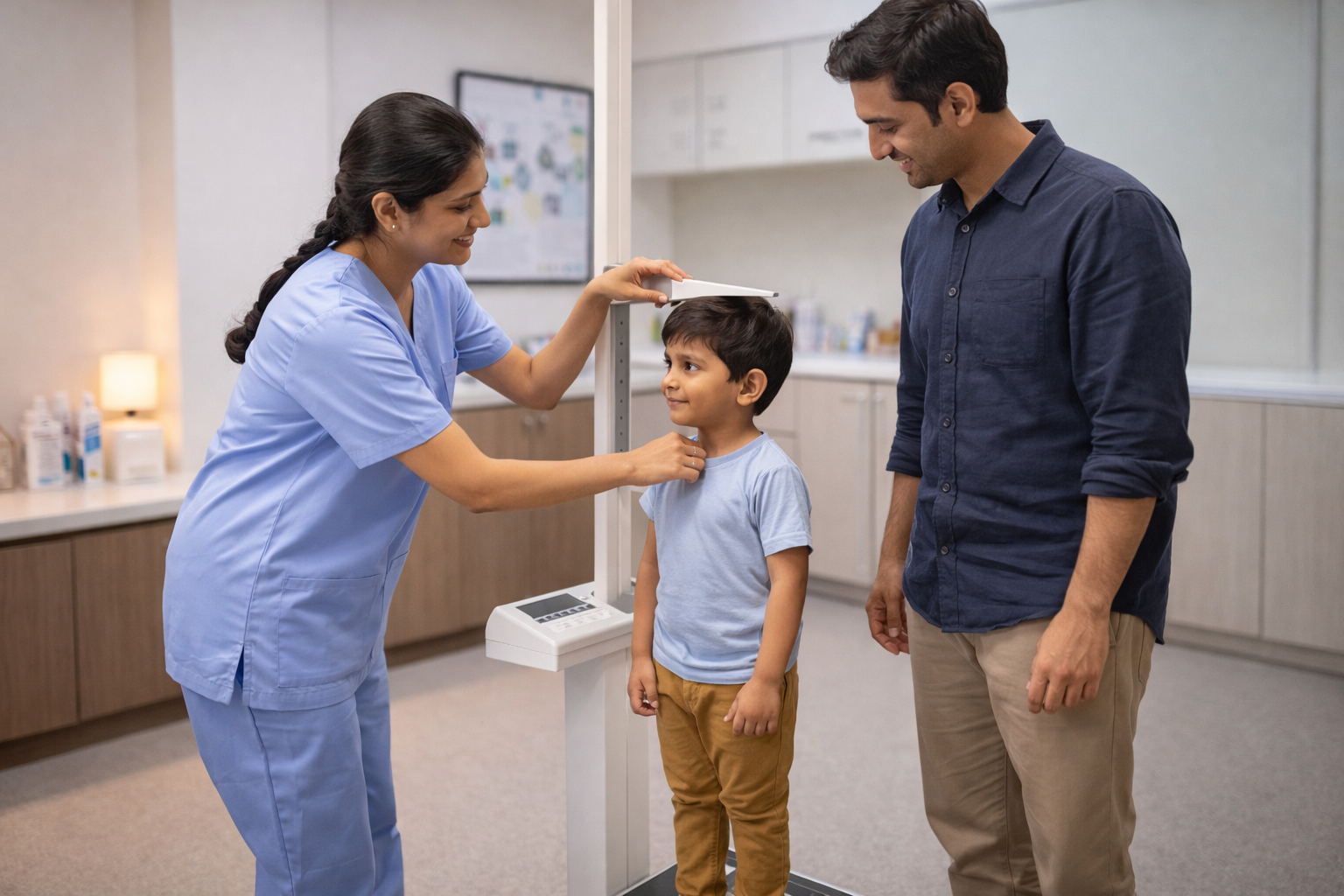
- Height, weight, BMI measurement
- Head circumference in young children
- Blood pressure screening
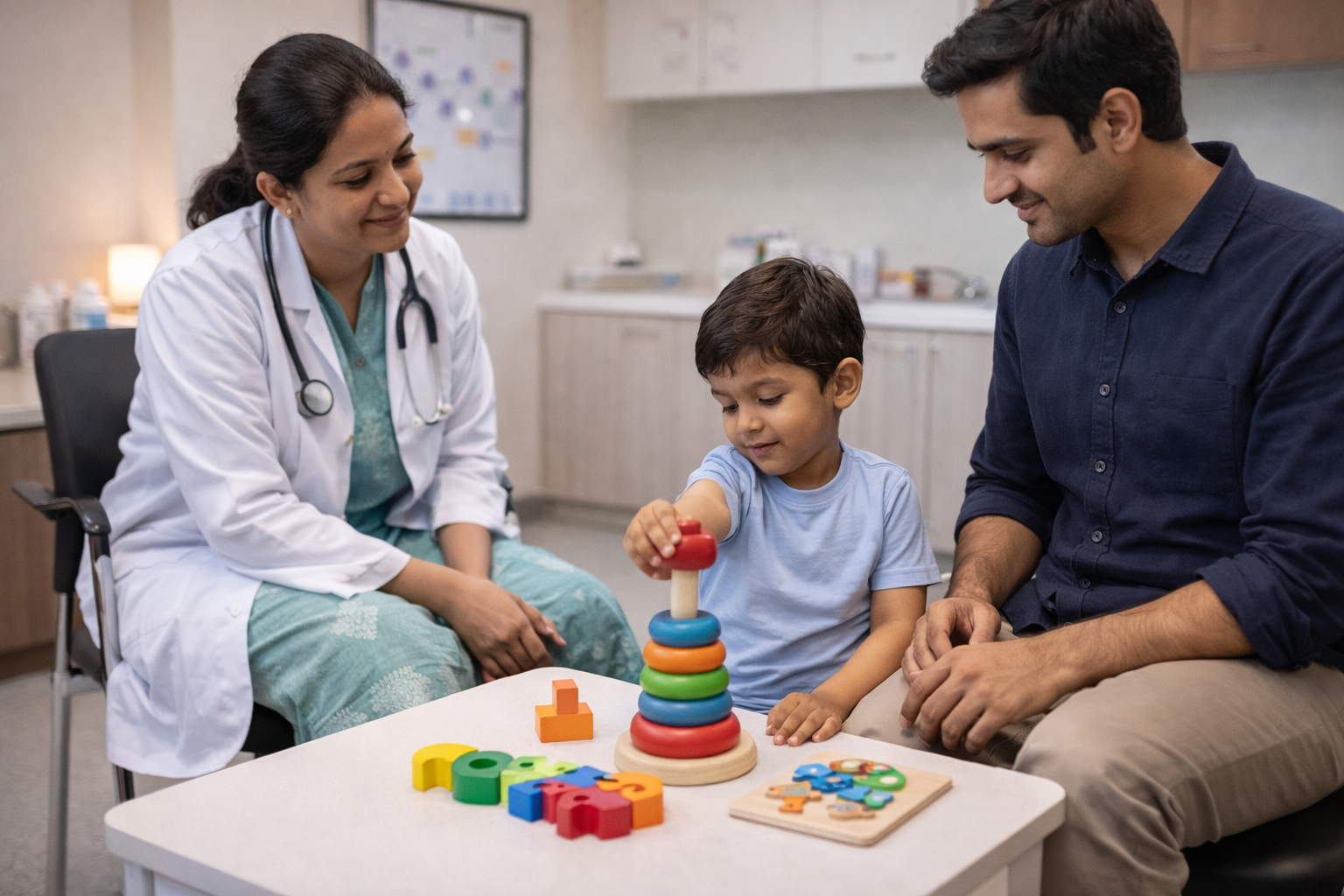
- Developmental surveillance
- Nutritional counseling
- Immunization review
- Parent counseling and anticipatory guidance
Through partnership with Arka Anugraha Hospital, families receive integrated pediatric support when specialized evaluation is required.
If you want structured preventive care for your child, you can book an appointment at
https://littlepeoplebigneeds.in/
Why Continuity of Care Matters
Children benefit from having a consistent pediatrician who understands:
- Birth history
- Growth trajectory
- Behavioral patterns
- Family health background
This continuity reduces medical fragmentation and improves long-term outcomes.
Dr. Smrithi Bhagiratha emphasizes the pediatrician-parent partnership as central to child wellness.
When Should You Never Delay a Check-Up?
Seek immediate evaluation if:
- Your child loses a skill
- There is persistent fever or weight loss
- Walking is delayed beyond 18 months
- Speech is absent by 16 months
- There are frequent falls
- Severe behavioral changes occur
Early detection changes outcomes.
Conclusion
Routine pediatric check-ups are the most effective preventive health strategy for children.
They monitor growth, development, nutrition, immunity, and mental health in a structured, evidence-based manner.
In today’s Indian healthcare landscape, where lifestyle disorders are emerging earlier than ever, preventive child care is no longer optional.
Under the guidance of Dr. Smrithi Bhagiratha at Little People Big Needs, families in Bengaluru receive personalized pediatric supervision designed to support every stage of growth.
Investing in regular wellness visits for children is an investment in lifelong health.
FAQs
1. Why are routine pediatric check-ups important?
They detect growth, developmental, nutritional, and behavioral issues early before they become serious.
2. How often should my child have an annual health check?
After age 3, once a year is recommended unless medical issues require more frequent visits.
3. What is included in a preventive child care visit?
Growth measurements, developmental screening, immunization updates, nutrition counseling, and behavioral assessment.
4. Are vaccines given during routine visits?
Yes. Immunizations are scheduled as per the IAP vaccine schedule.
5. Can routine visits detect autism early?
Yes. Standardized developmental screening tools are used at 18 and 24 months.
6. Why is BMI checked every year?
BMI-for-age helps detect obesity or undernutrition early.
7. Is iron deficiency common in overweight children?
Yes. Inflammation related to obesity can block iron absorption.
8. When should I schedule the first newborn visit?
Within 3 to 5 days after birth.