Promoting Healthy Vision in Children: Key Steps for Long-Term Ocular Health

Introduction

Healthy vision is essential for a child’s development, as up to 80% of all learning during childhood is mediated through the visual system. Unfortunately, poor vision in children is often overlooked, leading to developmental delays and academic struggles. At ARKA Anugraha Hospital, we emphasize the importance of early detection, preventive care, and integrative approaches to ensure children develop strong, healthy vision that supports their learning, growth, and overall well-being.

The Development of Vision in Children

Vision in children is not an innate ability; it develops over time, much like walking and talking. At birth, an infant’s visual system is immature, and their ability to focus and coordinate eye movements is limited. The first few years of life are crucial for visual development, with the “critical period” occurring during the first six years. During this time, the brain and eyes must establish clear communication pathways to ensure healthy visual processing.

Evolutionary Milestones in Early Childhood

Visual skills follow a predictable sequence of developmental milestones that correspond with the maturation of the eyes and the brain’s visual cortex. These milestones reflect the age at which the visual system achieves critical functions, such as color recognition, depth perception, and fine motor coordination.

Age

Developmental Milestone

Clinical Significance

Birth to 1 Month

Eye movements uncoordinated; fixates on high-contrast images

Initial sensory input; sets foundation for later skills

2 to 3 Months

Binocular fusion begins; tracks moving objects

Eye coordination develops, critical for depth perception

4 to 6 Months

Full color vision; reaching for nearby objects

Key for motor-visual coordination

7 to 12 Months

Improved tracking of fast-moving objects

Essential for object recognition and early learning

1 to 2 Years

Refined focus; begins identifying body parts in books

Cognitive development through visual experiences

3 to 5 Years

Visual acuity nears 20/20; ready for alphabet recognition

Crucial for early academic readiness

These milestones highlight the critical nature of early intervention and regular check-ups to prevent any disruptions in a child’s visual development.

The Critical Window and Neuroplasticity

During the first few years of life, the visual system is highly adaptable, or “neuroplastic.” If the brain receives blurry or distorted images due to conditions like misalignment or unequal refractive errors, it may suppress input from the weaker eye, leading to amblyopia (lazy eye). Early treatment during the first seven years of life has the best outcomes for conditions like amblyopia, as neuroplasticity allows the brain to form new pathways and correct visual impairments.

The Gut-Eye Axis and Immune System Health

Recent research has shed light on the connection between the gut microbiome and ocular health, known as the gut-eye axis. The gut microbiota plays a central role in regulating the systemic immune system and maintaining metabolic balance. An imbalance in gut bacteria, known as dysbiosis, can lead to chronic inflammation, which may affect the eyes and lead to conditions like allergic conjunctivitis or uveitis.

  • Molecular Mimicry: Microbial antigens may resemble ocular self-antigens, triggering autoimmune responses that affect the eyes.
  • Metabolite Signaling: Short-chain fatty acids (SCFAs), produced by fiber-fermenting bacteria, help maintain the integrity of the blood-retinal barrier and reduce ocular inflammation.

Restoring gut health through nutrition and probiotics can mitigate inflammatory responses that contribute to visual disorders, enhancing overall eye health.

Nutritional Support for Healthy Vision

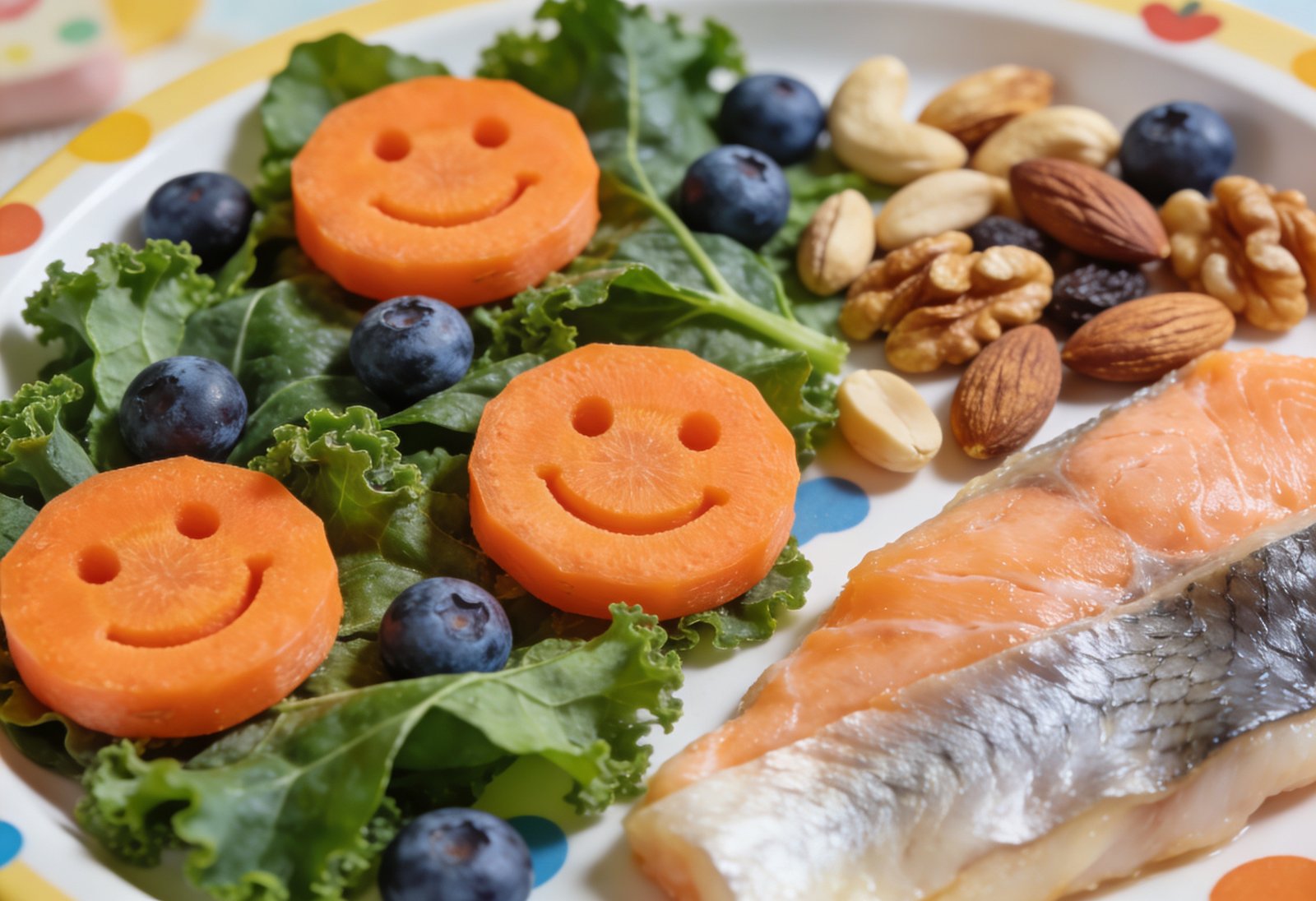
Diet plays a critical role in supporting eye health and preventing vision issues. Nutrients such as vitamin A, omega-3 fatty acids, and lutein/zeaxanthin help protect the eyes from oxidative stress, support retinal health, and improve visual function.

  • Vitamin A: Essential for night vision and overall retinal function. Found in foods like carrots, sweet potatoes, and dark leafy greens.
  • Omega-3 Fatty Acids (DHA/EPA): These healthy fats are crucial for the development of the retina and the tear film, which prevents dry eye. Found in fatty fish, flaxseeds, and walnuts.
  • Lutein and Zeaxanthin: These antioxidants protect the retina from harmful light exposure and improve contrast sensitivity. Found in spinach, kale, and corn.

Hyperinsulinemia and Myopia Progression

Myopia (nearsightedness) is increasingly common in children, and its progression is strongly linked to metabolic health. The hyperinsulinemic theory suggests that elevated insulin levels, often due to diets high in refined carbohydrates, stimulate excessive eye growth, leading to myopia. This condition, characterized by the elongation of the eyeball, is influenced by insulin-like growth factor 1 (IGF-1), which promotes eye remodeling.

To prevent the onset of myopia, it is essential to manage a child’s metabolic health through balanced nutrition, limiting sugary foods, and promoting outdoor activity.

The Role of Circadian Rhythms in Visual Development

Circadian rhythms, the body’s internal biological clock, influence eye development and growth. Natural light exposure during the day stimulates the release of dopamine in the retina, which helps regulate eye growth and maintain healthy vision. Disrupting circadian rhythms through excessive screen time or insufficient outdoor activity can accelerate myopia progression.

Recommendations for Healthy Vision:

  • Outdoor Activity: Clinical studies suggest that at least two hours of outdoor activity daily can significantly reduce the risk of myopia.
  • Light Exposure: Adequate exposure to natural sunlight helps regulate dopamine release and slows the elongation of the eyeball.

Preventive Strategies for Promoting Healthy Vision

To protect children’s vision and prevent long-term eye conditions, it is essential to implement preventive strategies and healthy visual habits. At ARKA Anugraha Hospital, we provide an integrative approach to managing children’s eye health, focusing on early detection and root-cause treatments.

Key Strategies:

  1. Limit Screen Time: Encourage breaks from screens using the 20-20-20 rule: Every 20 minutes, have the child look at something 20 feet away for 20 seconds to relax their eye muscles.
  2. Encourage Outdoor Play: Ensure at least two hours of outdoor play each day to benefit from natural light and dopamine regulation.
  3. Maintain a Balanced Diet: Provide a diet rich in vitamins and healthy fats to support retinal function and reduce inflammation.
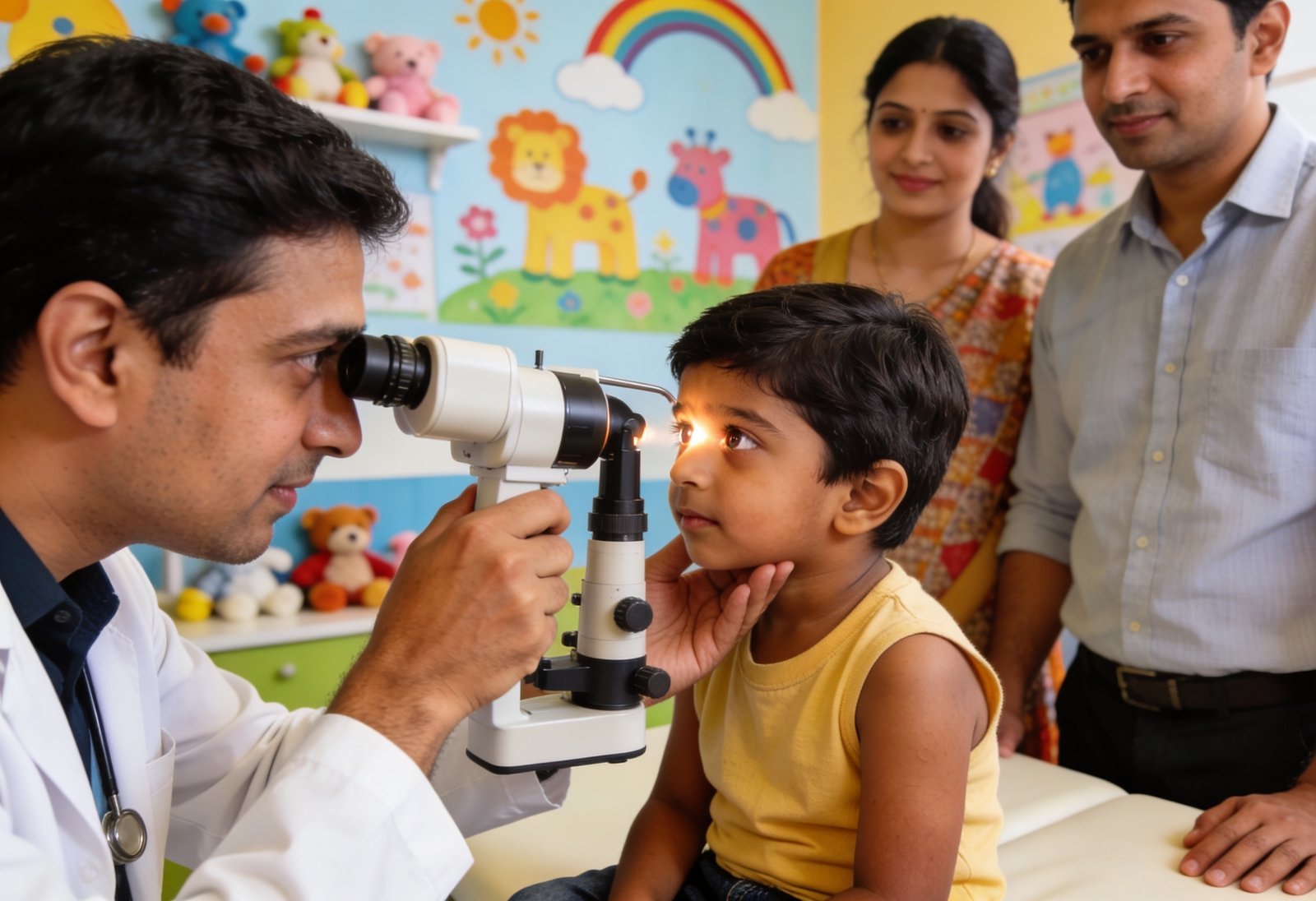
  4. Annual Eye Exams: Regular eye exams are essential, even if a child passes routine school screenings, to catch underlying vision problems that may be missed.

Conclusion: Building a Strong Foundation for Healthy Vision

The early years of life are crucial for establishing the foundation of healthy vision. By promoting good visual hygiene, encouraging outdoor play, and addressing dietary and metabolic factors, parents can safeguard their children’s vision for a lifetime. At ARKA Anugraha Hospital, we take a proactive, integrative approach to pediatric eye care, ensuring that every child’s visual development is supported by personalized care and evidence-based interventions.

FAQs

  1. When should my child have their first eye exam?
    It is recommended that children have their first eye exam between 6 and 12 months, with follow-up exams at age 3 and before starting school.
  2. How can I prevent my child from developing myopia?
    Encourage outdoor activity and limit screen time. A balanced diet and regular eye check-ups are also key for preventing myopia progression.

  3. What is the “gut-eye axis”?
    The gut-eye axis refers to the relationship between the gut microbiome and ocular health. An imbalance in gut bacteria can lead to inflammatory eye conditions.

  4. How does diet affect my child’s vision?
    A diet rich in omega-3s, vitamin A, and antioxidants helps protect the eyes from oxidative damage, supports retinal health, and prevents refractive errors.

  5. What is the role of circadian rhythms in eye health?
    Circadian rhythms regulate retinal dopamine release, which controls eye growth. Adequate light exposure during the day supports healthy vision development.

  6. How much outdoor time does my child need to protect their vision?
    At least two hours of outdoor activity per day is recommended to reduce the risk of myopia and support eye health.

  7. What are the signs that my child might have a vision problem?
    Look for signs such as squinting, sitting too close to the TV, eye rubbing, or difficulty focusing on tasks.

  8. Can eye issues like amblyopia be treated in older children?
    While early intervention is most effective, treatments like patching and specialized lenses can still help improve vision in older children.